Vacationing with Mira: The Parts No One Talks About
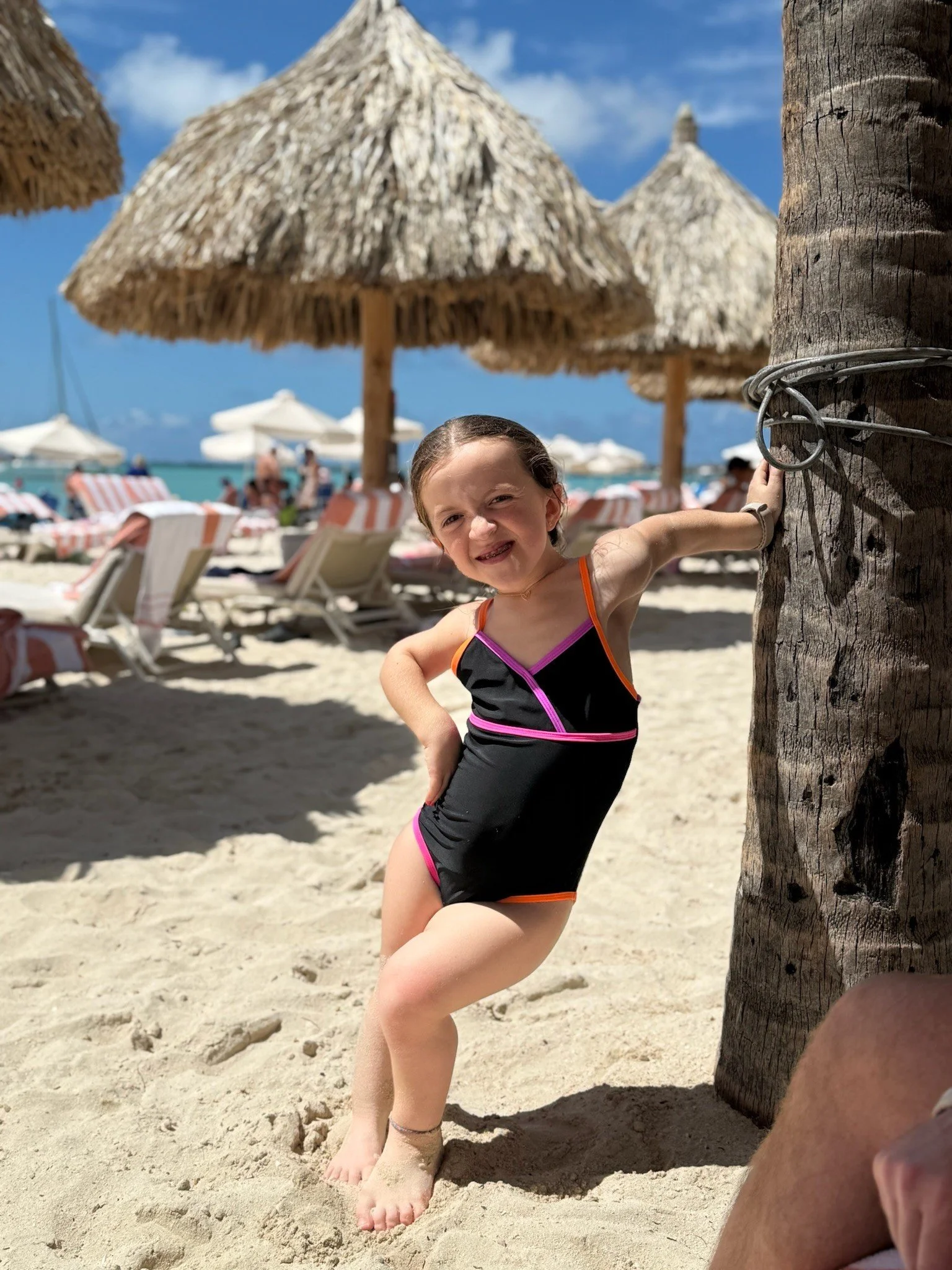
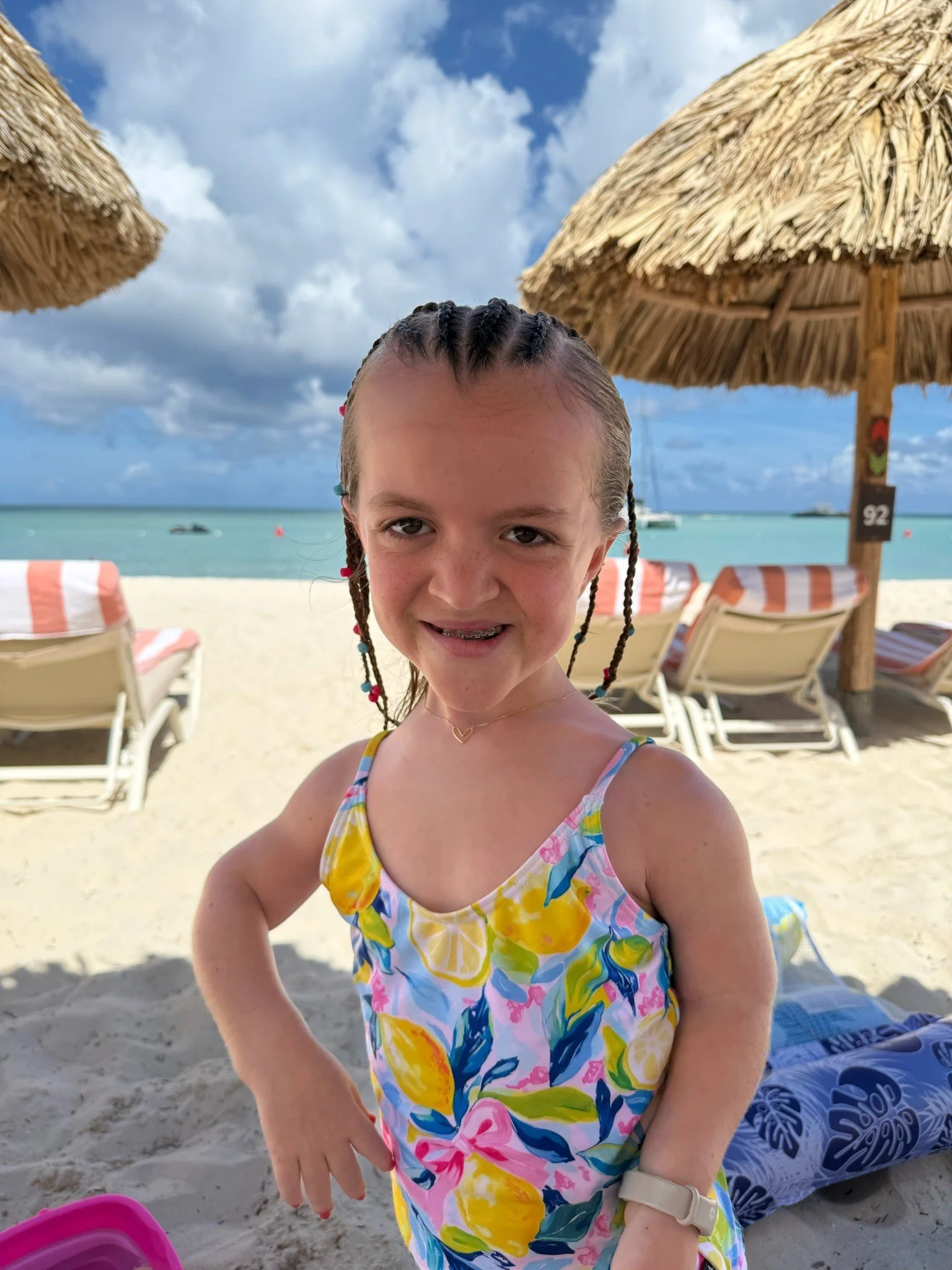
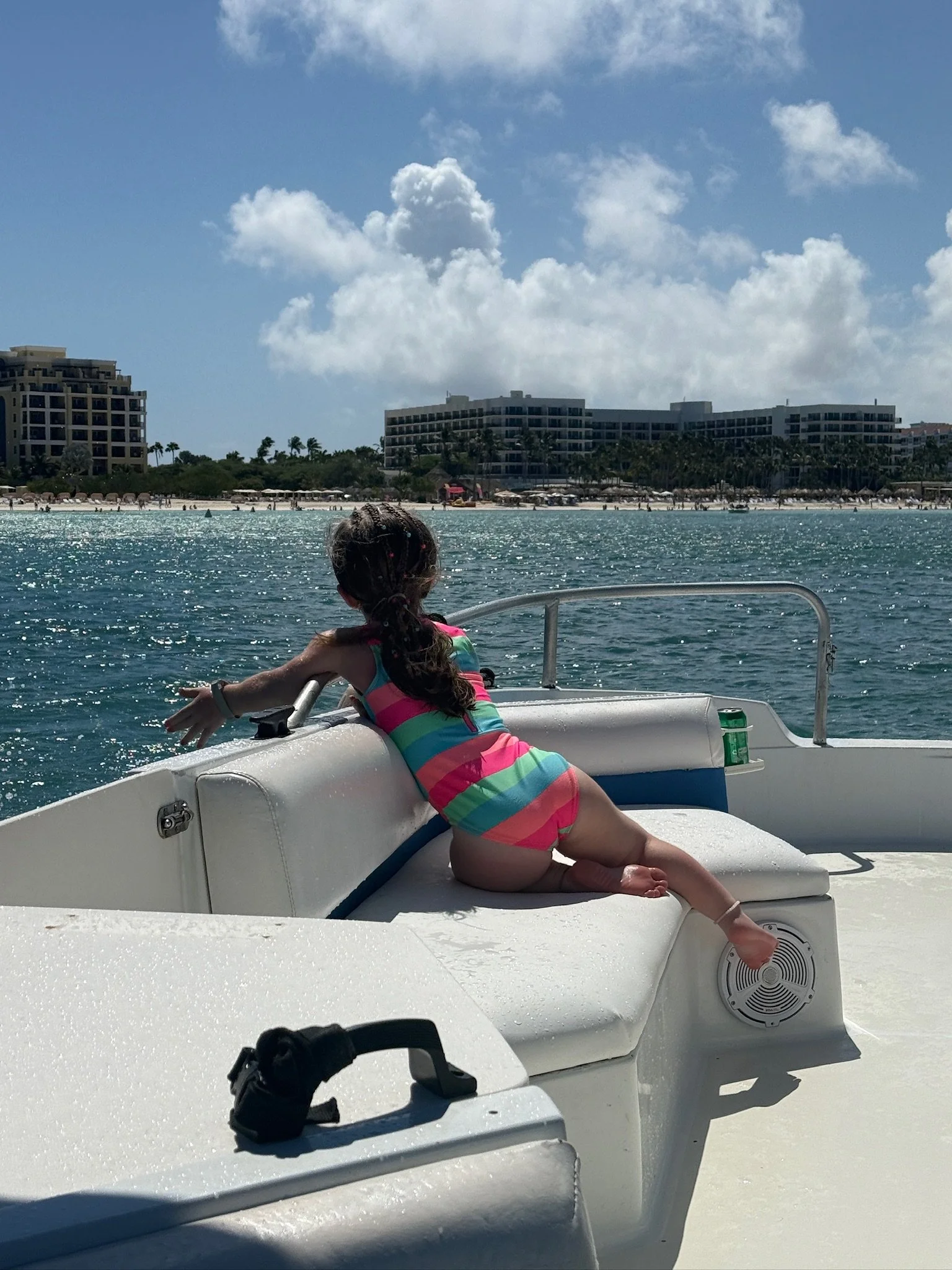
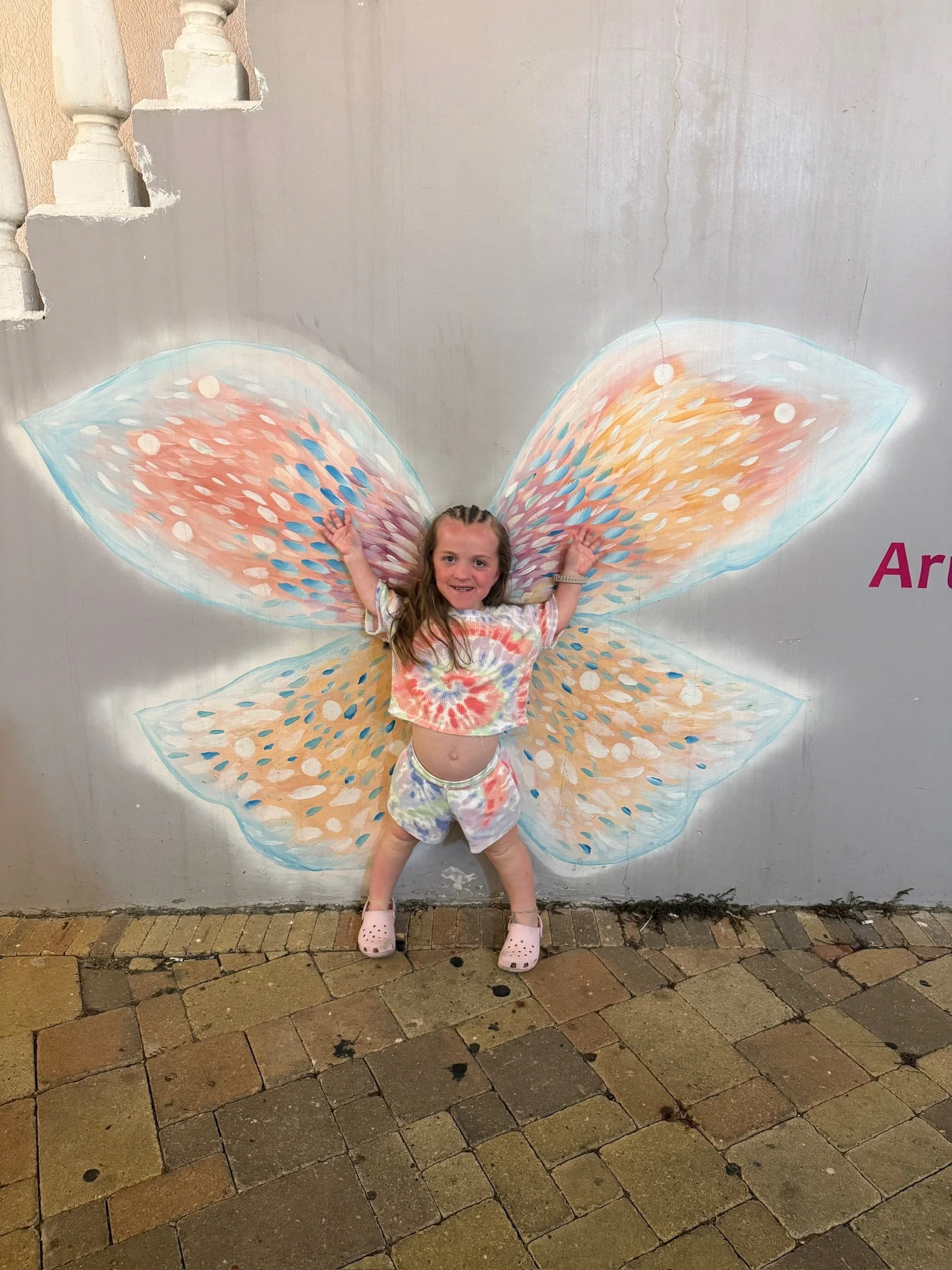
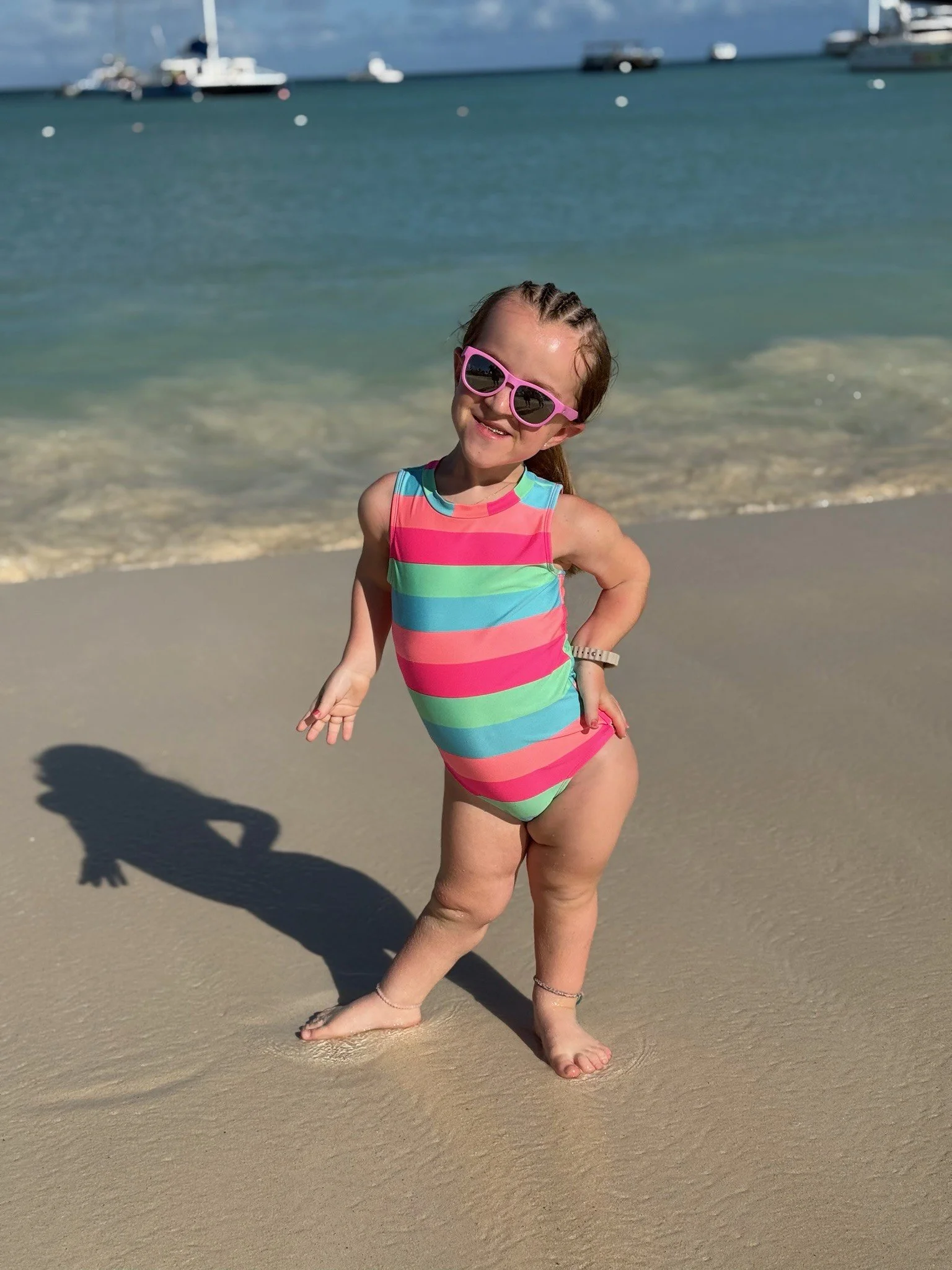
We just returned home from Aruba, and like most family vacations, there were moments of pure magic—sunsets, laughter, sandy toes, and memories I wish I could bottle up forever.
But there’s another side to traveling with Mira that doesn’t make it into the highlight reel.
Mira has dwarfism. And everywhere we go… people stare.
Not just a passing glance. Not curiosity that fades. I mean long, lingering, can’t-look-away stares—the kind that follow us through an airport, across a pool deck, into a restaurant, and down the beach.
All day. Every day.
And if I’m being honest, it’s exhausting.
At home, in our familiar world—her school, our town, our go-to spots—she’s just Mira. We might get the occasional stare, but nothing that shakes us.
Traveling is a whole different ballgame. It puts a spotlight on Mira’s differences in a way that’s impossible to ignore.
As her mom, my instinct is to protect her from anything that could make her feel “less than.” But you can’t shield your child from eyes. You can’t stop whispers or double takes. You can’t control the comments, the looks, or those moments when your family becomes someone else’s observation.
What you can do is show up for your child.
So that’s what I try to do.
I watch Mira. I take my cues from her. And the truth is, she’s incredible. She walks into every space with a confidence that amazes me and humbles me. She doesn’t shrink. She doesn’t hide. She just is.
Meanwhile, I’m the one taking a deep breath before we enter a crowded place. I’m the one noticing every stare—the one staring back, the one quietly carrying the weight of it.
There were moments on this trip that tested us. Moments when I wanted to snap. Moments that even drove me to tears.
Those moments stay with you.
But so do the others.
The confidence she shows when she walks right up and joins in anyway.
The kindness of strangers who get it right.
The pride in her voice when she speaks for herself.
The resilience she’s building, one interaction at a time.
The moments that remind me this is part of our reality, and part of Mira’s story. Maybe even part of our purpose.
Every time Mira shows up exactly as she is, she’s quietly expanding someone’s understanding of what “normal” looks like. Maybe it’s a child seeing someone with dwarfism for the first time. Maybe it’s an adult realizing their staring isn’t harmless. Maybe it plants a seed of empathy, awareness, or change.
It doesn’t make it easy. But it makes it meaningful.
Traveling with Mira means packing more than sunscreen and swimsuits. It means carrying patience, resilience, and, most of the time, a thick skin. It means navigating moments other families might never even notice.
But it also means seeing the world through her eyes—full of joy, strength, and an unshakable sense of self, and I wouldn’t trade that for anything.
If there’s one small thing I wish people knew, it’s this: a smile. A simple hello. Including her like you would any other kid.
It means more than you know.